


Digital Garden
HomePrivacyCookiesTerms
Casino-Quality Equipment Rentals
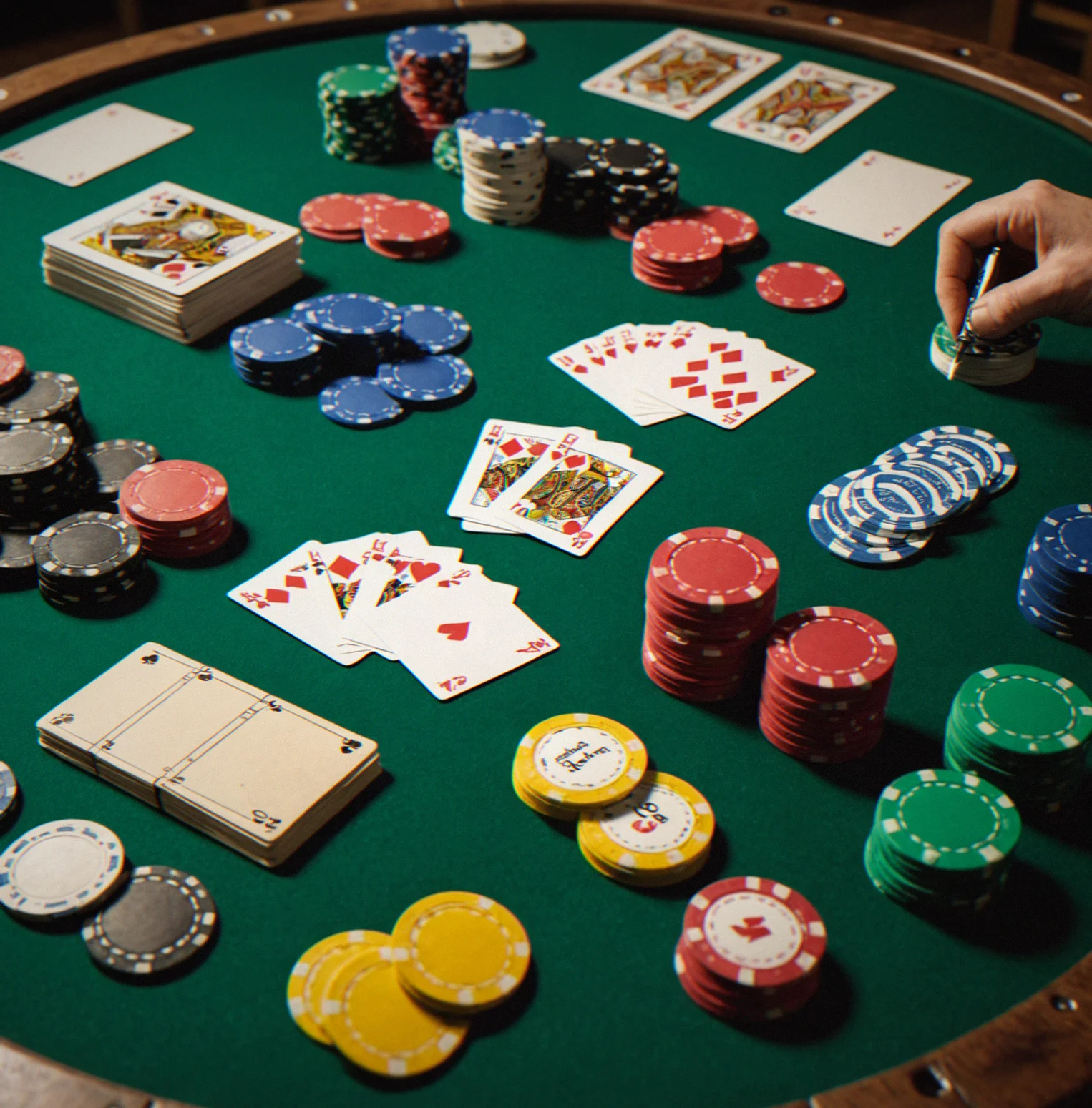
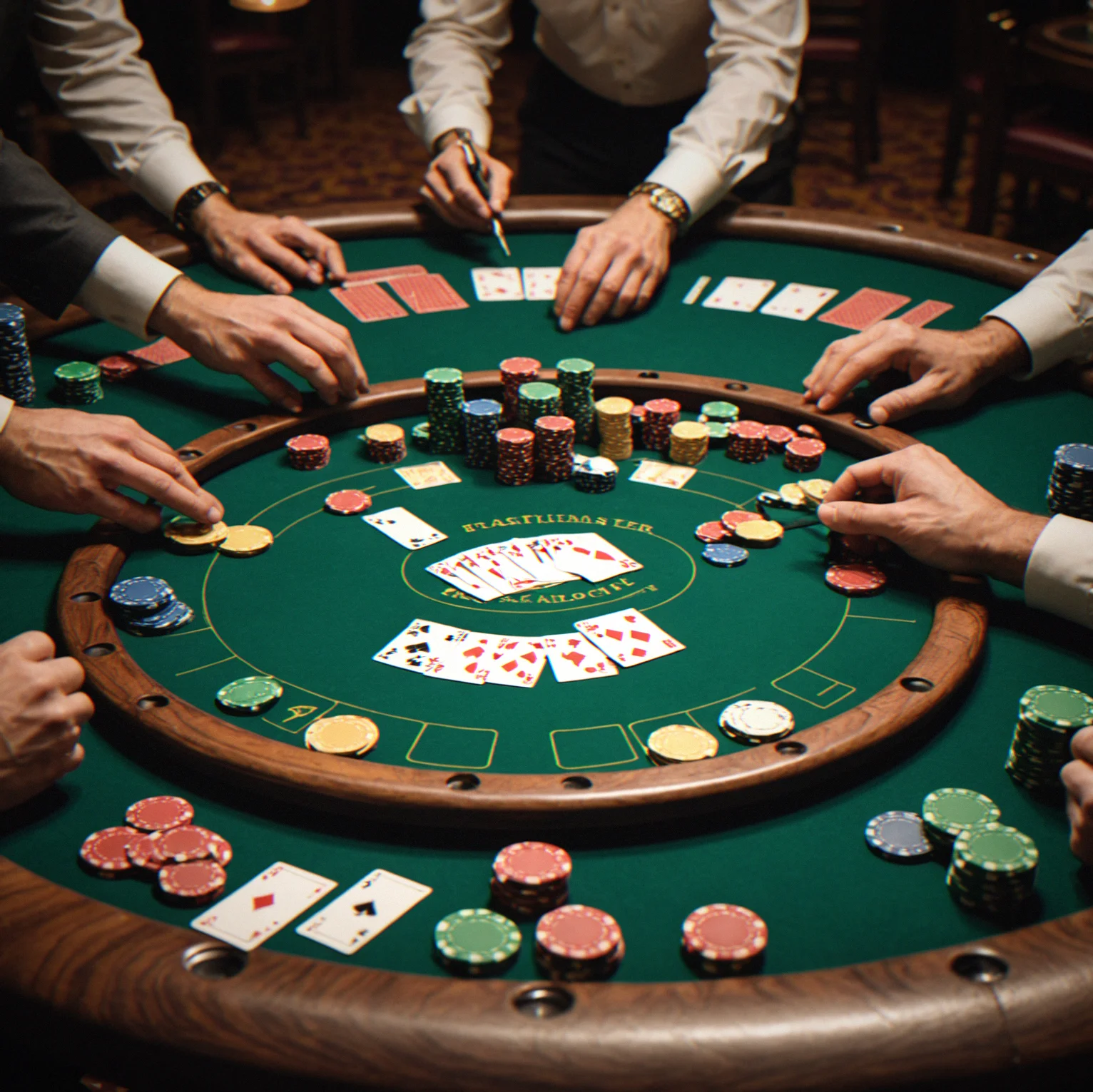
Tournament-ready poker table with clay chips stacked neatly, green felt and a card shoe positioned for dealing

Real Gaming Tables and Chips

Get the actual stuff casinos use. Your event will feel like the real deal.

Clay composite chips that don't slide everywhere. Felt tables built to tournament specs (think 36 to 42 inches). Card shoes that dealers won't hate using. This isn't party store junk or knockoff stuff. When you rent from us, you're getting equipment that belongs in a serious game.

Pull together a dozen people for a corporate night or forty for a charity event—your guests will notice the difference the moment they sit down. We handle chips in all the standard denominations, keep the tables maintained properly and make sure everything lines up with whatever local rules apply to your area.

If you're actually running a tournament, you're probably thinking about liability coverage and logistics that don't fall apart halfway through. That part's already taken care of.

6

Equipment in Action

What a real setup looks like. Tables run at 39 inches, chips stack properly, felt's built to take it.

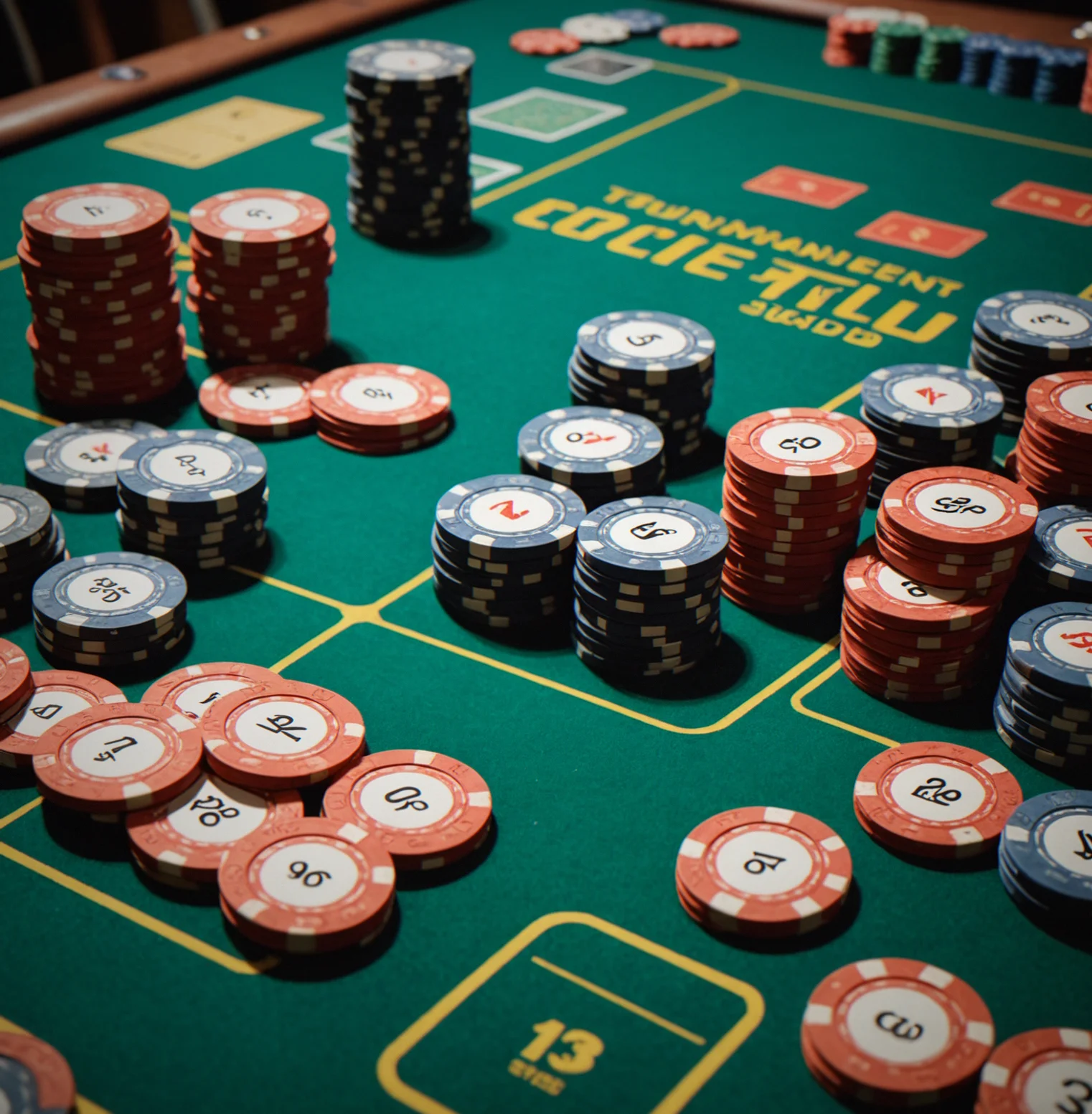
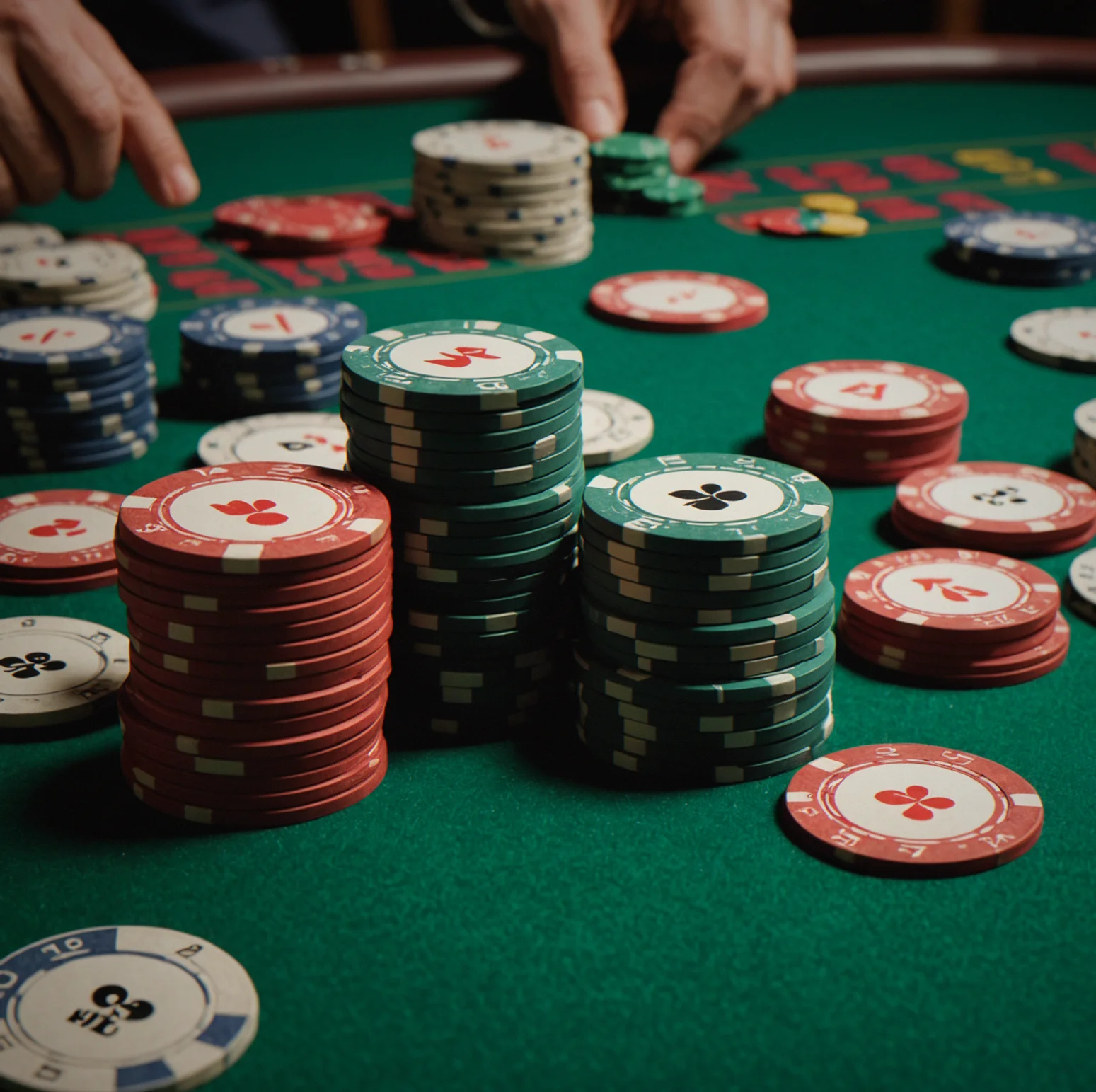
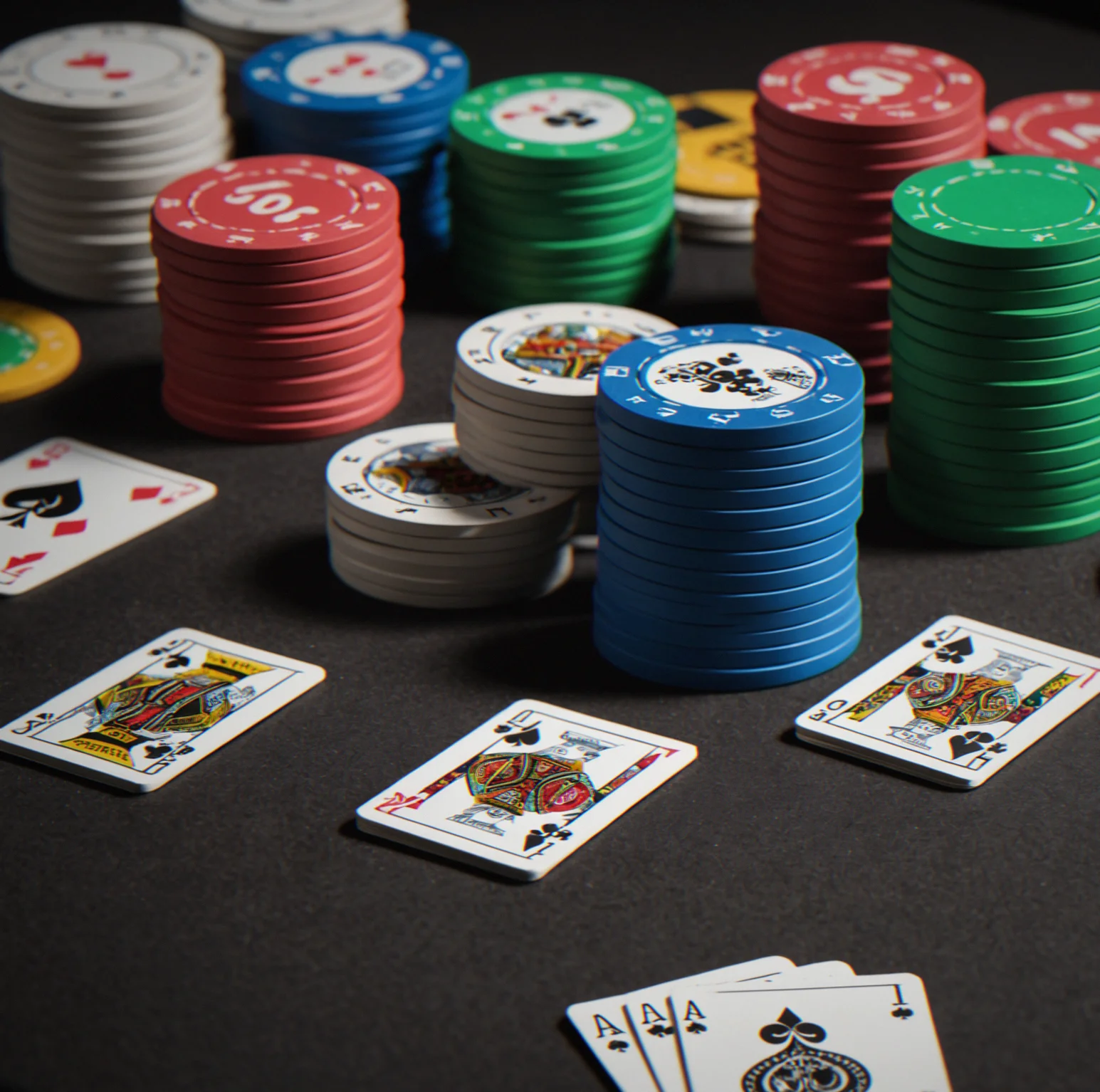
Clay composite chips stacked by value with $1, $5, $25, and $100 denominations on felt

Clay chips. Weigh between 8.5 and 10 grams. The standard set.

Professional poker table with green felt, cup holders, and dealer position with chip rack

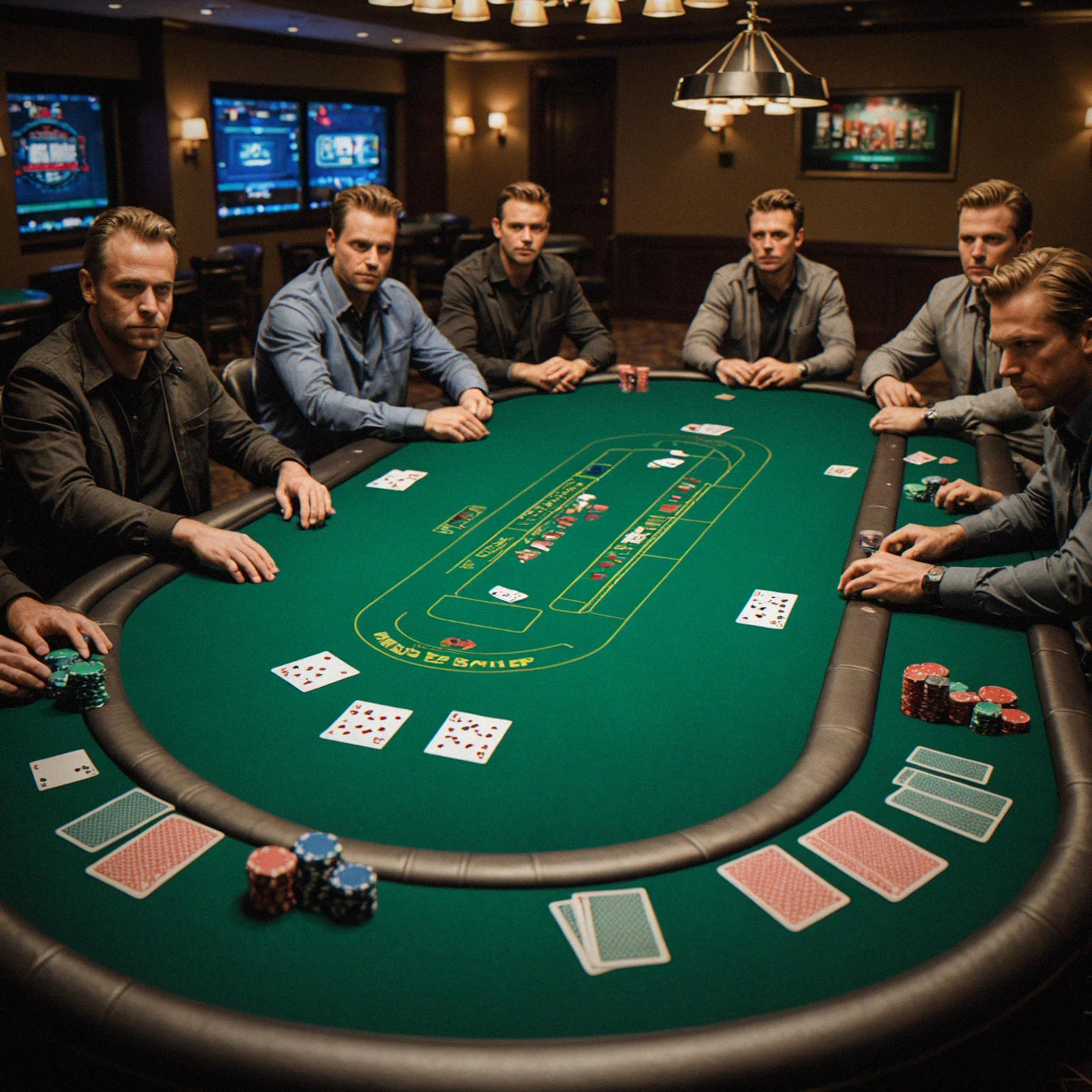
Tournament table at 39 inches. Seats 8 players. Dealer spot marked.

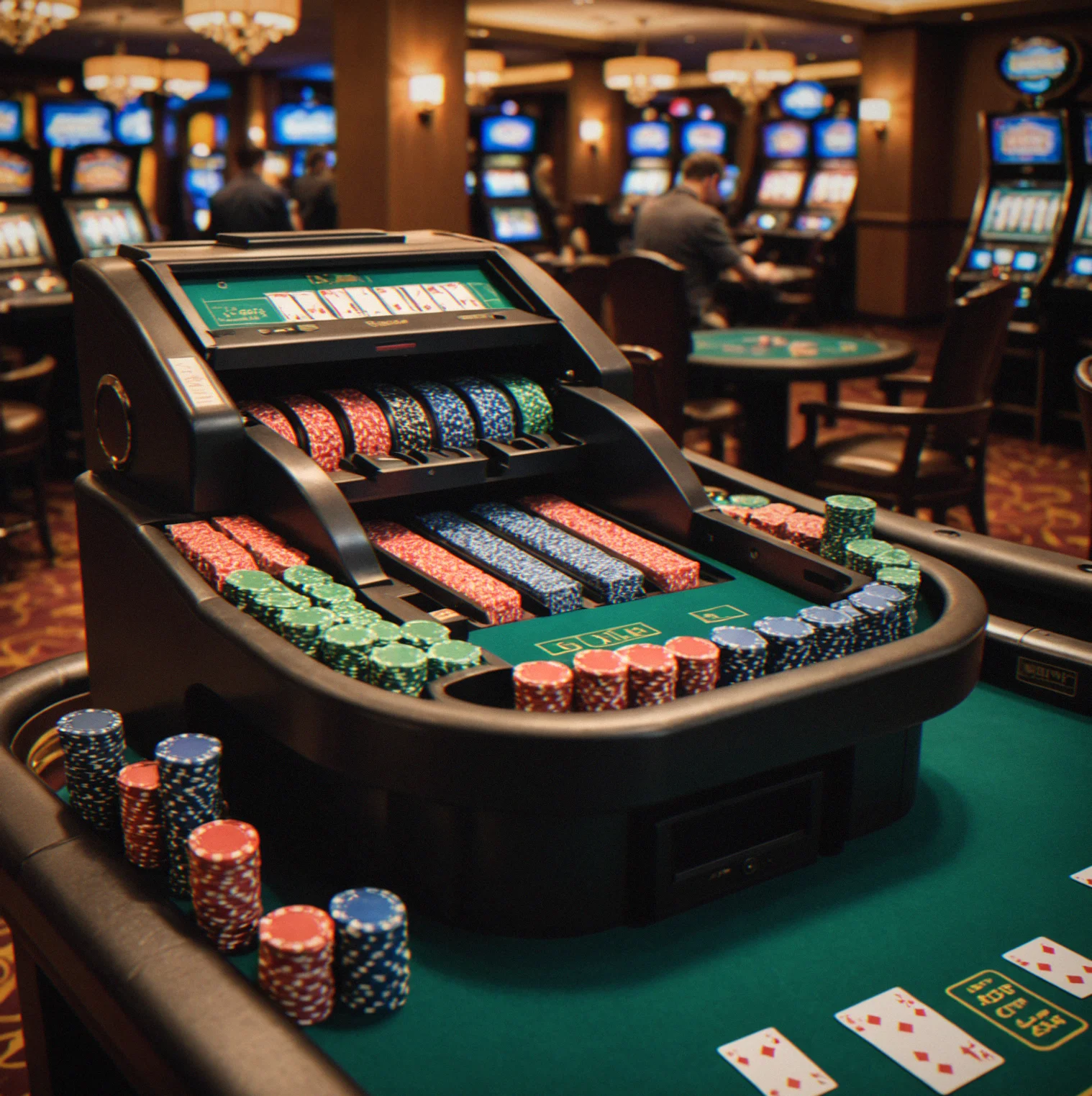
Card shoe dispenser loaded with deck and cut card at the dealer station

Card shoe keeps the flow steady and everything above board.

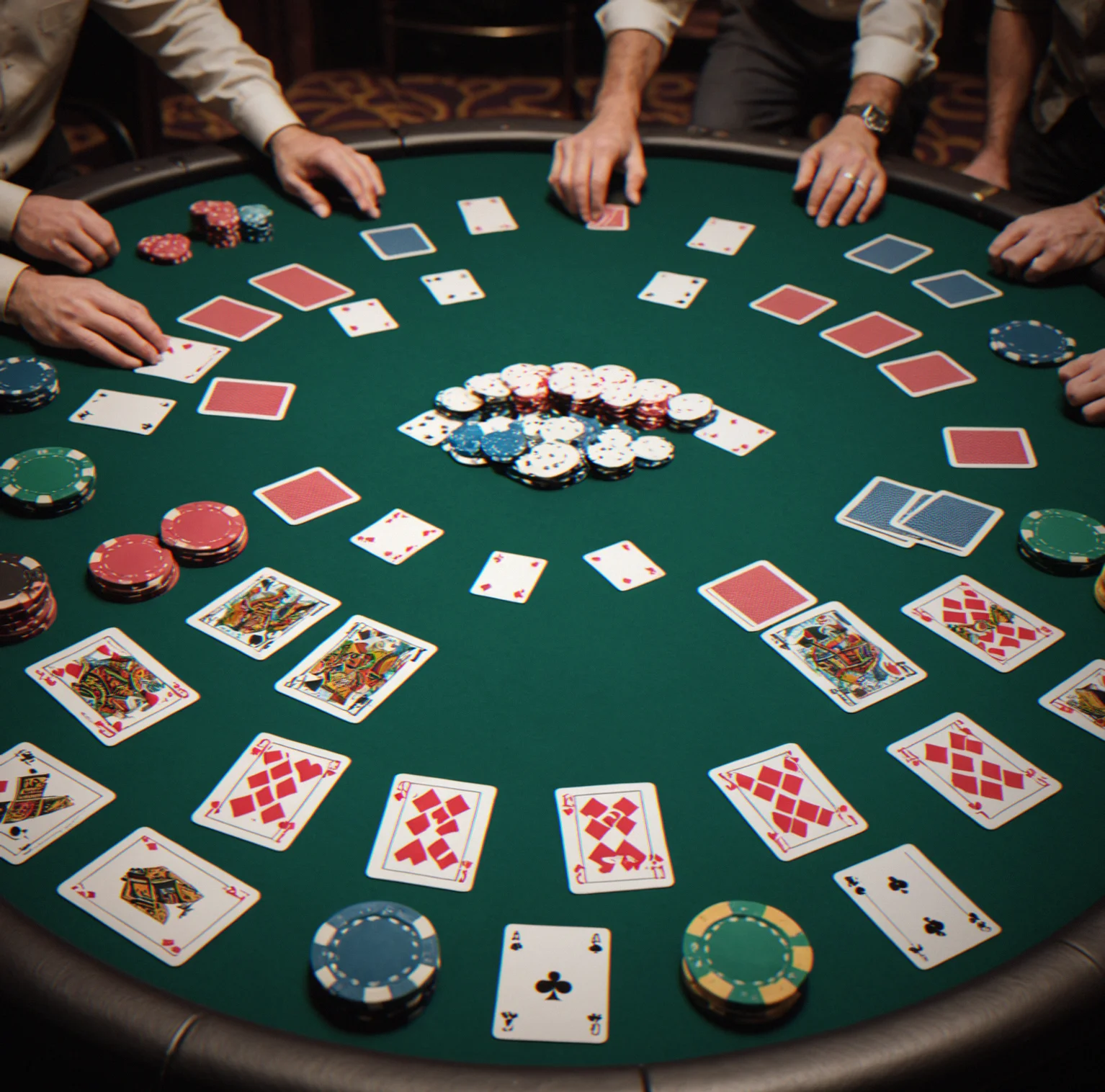
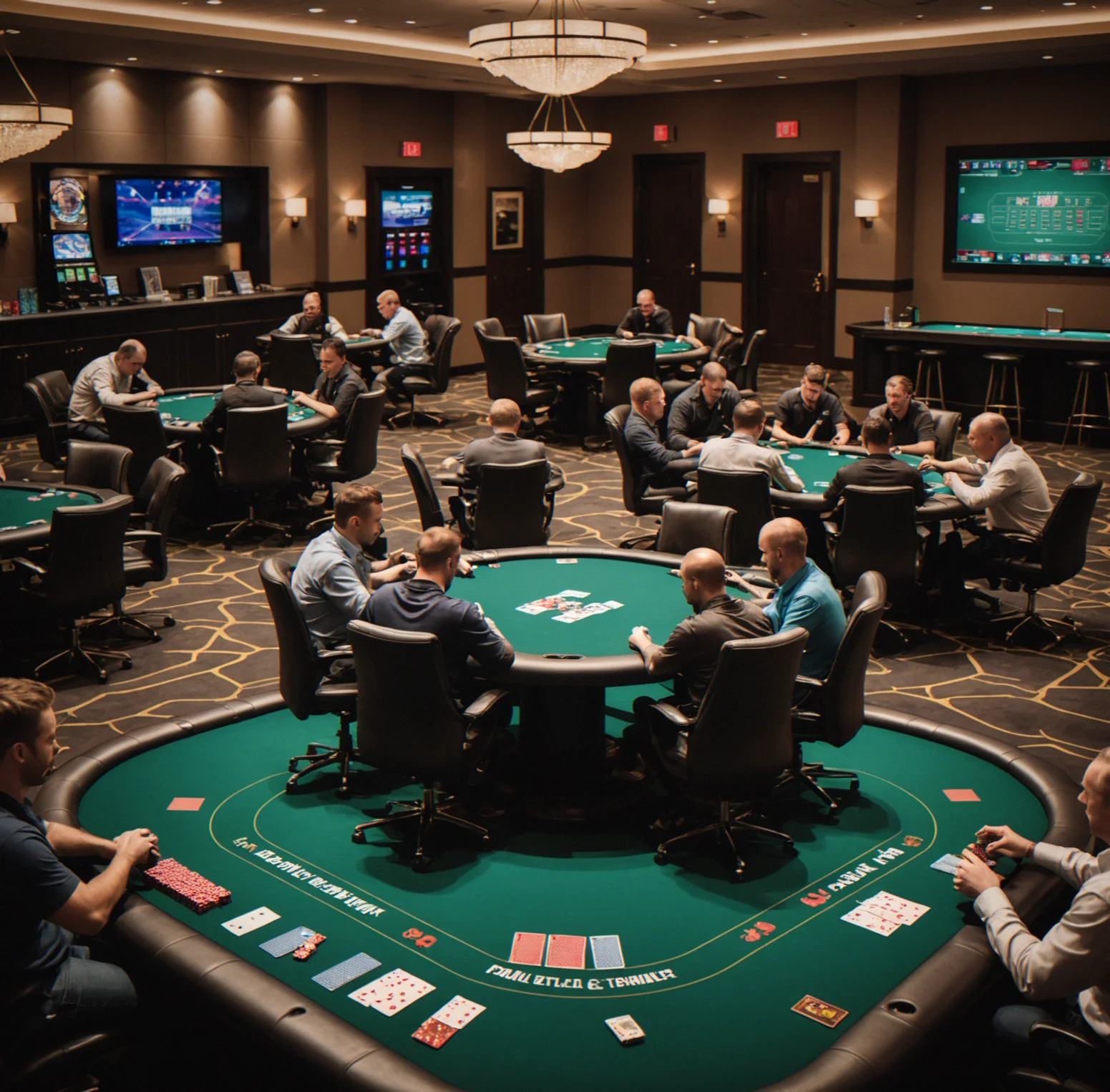
Corporate event space with two gaming tables under overhead lighting with guests seated for tournament play

Corporate tournament with multiple tables. Meets all requirements.

Wooden chip tray with denomination stacks, brush, and felt maintenance tools on table

Managing your chips. Trays, brush, backuup stock.

High-stakes private game around a 36-inch table with focused overhead lighting and professional felt

6-max game. Close quarters. Done right.

EQUIPMENT SPECS

What Makes Clay Chips and Professional Tables Different

Ceramic blends have a smooth slide to them. Molded chips tend to bounce around more than you'd want. Clay composite chips sit somewhere around 8.5 to 10 grams—they stack without that annoying Wobble and honestly feel like you're playing with equipment that actually Costs money. Professional tables come in three sizes: 36, 39, and 42 inches. Each one works better for a different setup, and this matters way more than people realize because if your table's too cramped, it changes the whole rhythm of play and how your guests feel about the event. You can rent equipment that works fine or equipment that makes everyone uncomfortable. It all comes Down to the specs, not the pitch.

Clay Composite Construction

These chips run 8.5 to 10 grams and come in the standard denominations from $1 all the way up to $10,000. Stack them without any wobble. Most felt holds up for around 20 to 30 hours before you need to swap it out.

Tournament-Grade Table Dimensions

A 36-inch table squeezes into tight spaces for 6-max games. The 39-inch is what most people go with—fits 8 players and works for just about any corporate event you throw at it. Go 42 inches when you want room for 10 players or when comfort beats fitting more people around the felt.

Complete Setup Support

Delivery's included, and so is leveling the table, counting out your chip inventory, checking the felt and making sure you're aligned with local gaming rules. The whole setup runs about 1 to 2 hours. We handle breakdown too.

4

What You Need to Know

Four things that separate professional rentals from party supply shortcuts.

Clay Chips Have Real Weight

8.5 to 10 grams per chip. That's the standard. Ceramic blends feel cheap because they are. Clay stacks tight, doesn't slide and guests immediately notice you didn't cut corners. You'll see $1, $5, $25, and $100 denominations on most tables. Higher stakes games add $500 and above.

Table Size Matters More Than You Think

A 39-inch table seats 8 players comfortably and is the tournament standard. Thirty-six inches works for 6-max games in tight spaces. Go up to 42 inches if you need 10-max capacity, but that eats floor space. Pick the wrong size and your event feels cramped or awkward. Felt condition matters too—worn spots are normal, wrinkles are not.

Setup Takes Time

Delivery, table leveling, chip counting, felt inspection, lighting adjustment, test hand with your dealer. Figure on a couple hours. Guests arriving while you're arranging chips kills credibility instantly.

Local Gaming Rules Vary by Location

Texas allows home poker tournaments. California's gray. Nevada's strict about unlicensed gaming. New York depends on the county. Check your jurisdiction before booking. Most rental operators will ask—if they don't, that's a red flag. Liability insurance is often required, especially for events with entry fees or cash play. Get clarity upfront.

1
RENTAL PLANNING

Setting Up a Tournament and What Actually Takes Time

People assume renting a table and chips means unbox it, deal cards, done. That's not how it works. A prroper setup eats an hour or two because you're checking if the felt is actually playable, making sure the table sits level, counting every chip, testing where the dealer sits and running through a practice hand. You need to know it feels right before anyone's money is on it. Tournaments with rebuys or multiple tables need extra chips in the back—usually 15 to 20 percent more than what's in play. A 12-person buy-in expecting 40 people total across the night isn't just about chips for 12. You're covering rebuys and how fast stacks move. Miss that calculation and you're short chips halfway through the night.

36–42
inches — standard poker table width
8.5–10
grams per clay chip

Professional Felt Maintenance

Pick speed cloth or slower cloth depending on how fast you want the game to move. Green is what people expect. Most rental table felt lasts 20 to 30 hours before you see damage. Wrinkles mean you swap it out. Worn spots don't.

Chip Denomination Strategy

Standard rental sets have $1, $5, $25, $100, $500, and $1,000. Go higher with $5,000 and $10,000 chips if the stakes are big or the tournament gets deep. Your blind structure decides which chips actually leave the rack.

Dealer Equipment and Pacing

Most rentals come with card shoes, cut cards, chip trays, and brushes. A dealer using a shoe looks like they know what they're doing, even if they've never done this before. New decks every hour or two keeps things feeling legitimate.

Local Compliance Built In

Rental companies already know the liability angle and can tell you what gaming rules apply where you are. You worry about making sure guests have fun. They handle the legal side.

Real Setups. Real Events.

Professional poker table at 39 inches with green felt, chip stacks sorted by value, dealer position marked out clearly, and even overhead lighting across the whole surface

What does professional equipment actually look like when it's deployed? Tables that don't wobble. Chips that stay put when you stack them. Lighting that lets you see the cards and keeps things feeling legitimate.

Tournament-ready table. 39 inches. Seats 8 players.

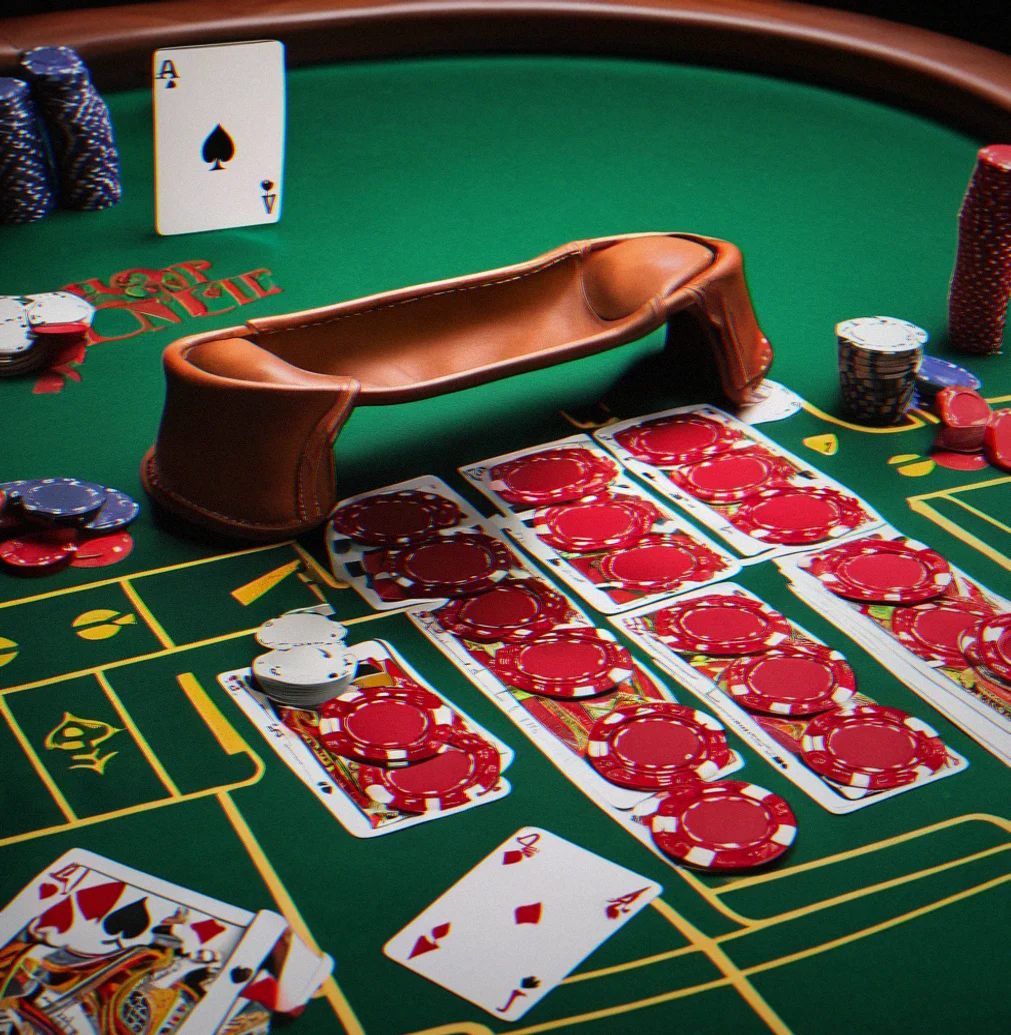
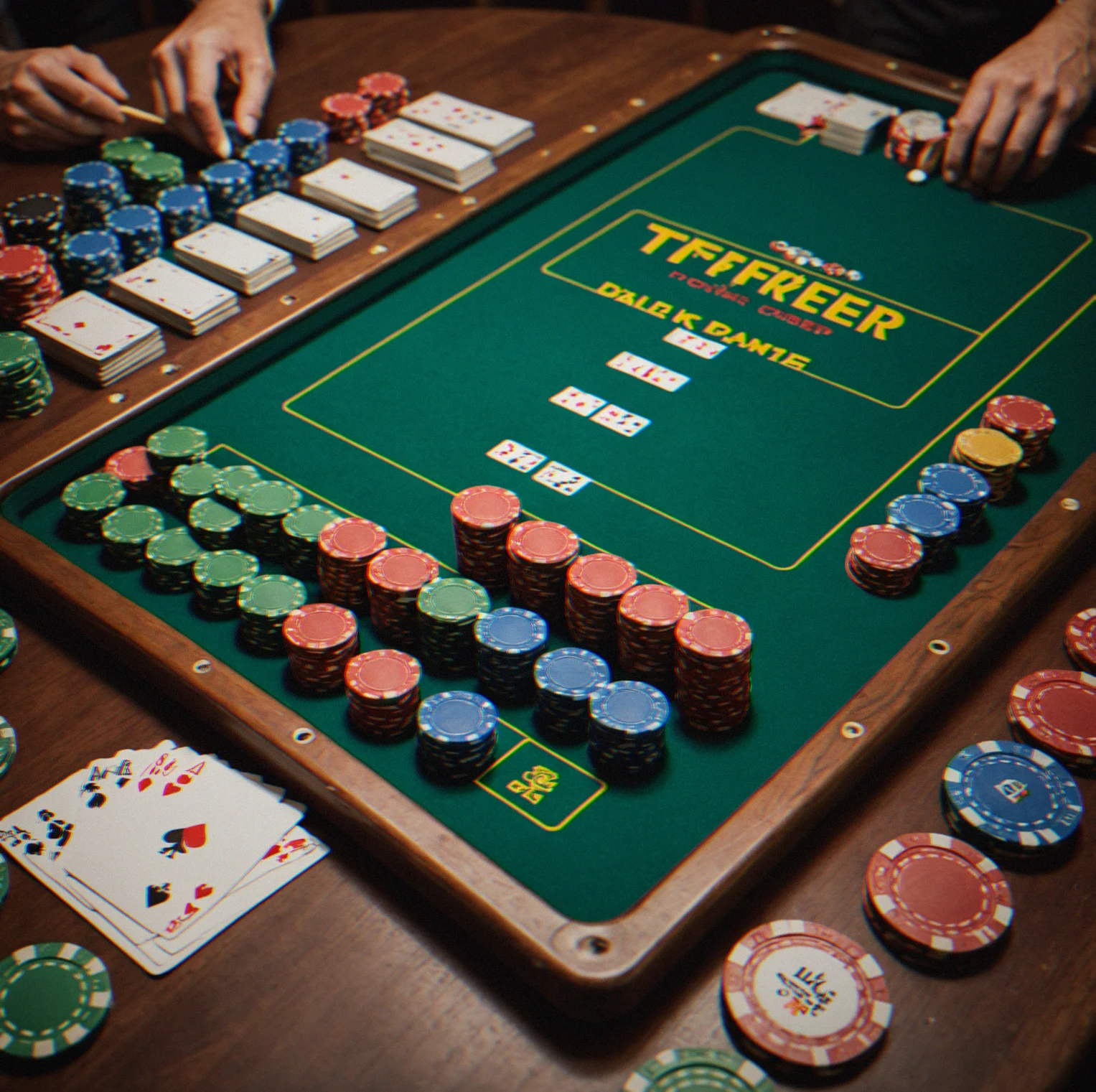
Clay composite chips stacked neatly showing $1, $5, $25, $100 and $500 denominations with chip tray and brush sitting nearby for organized gameplay

Clay chips weighing between 8.5 and 10 grams. Denominations set up for rebuys.

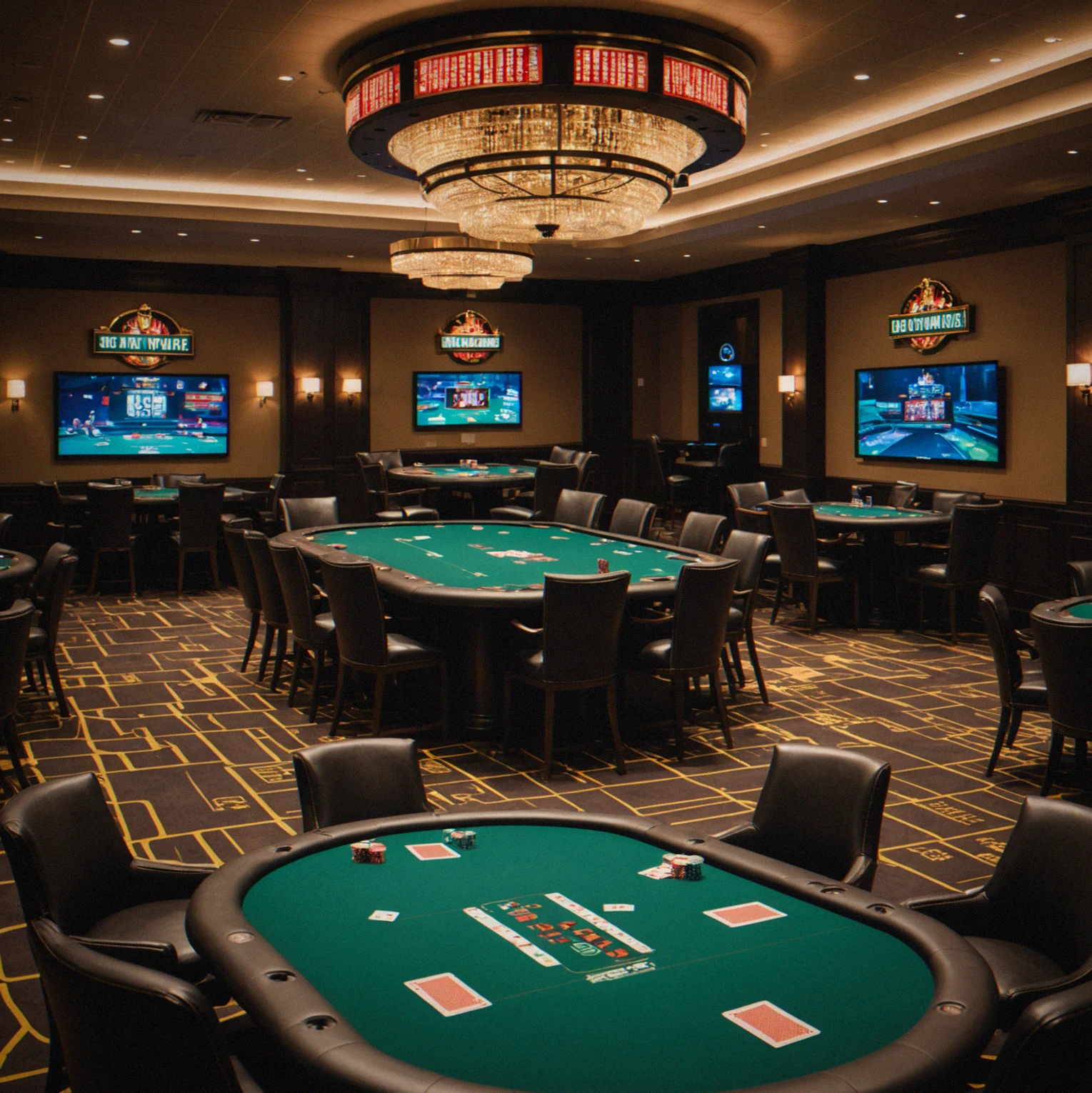
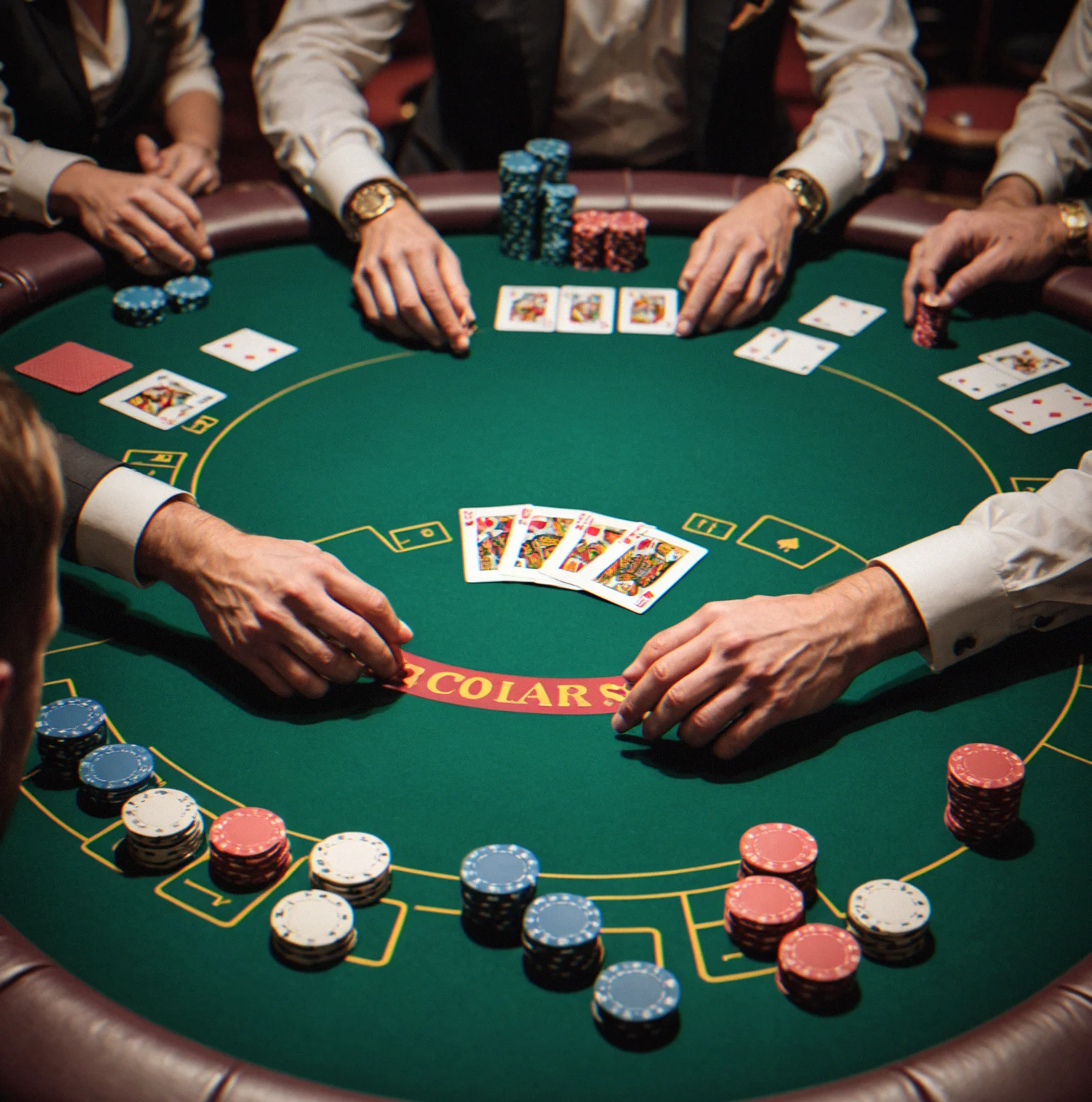
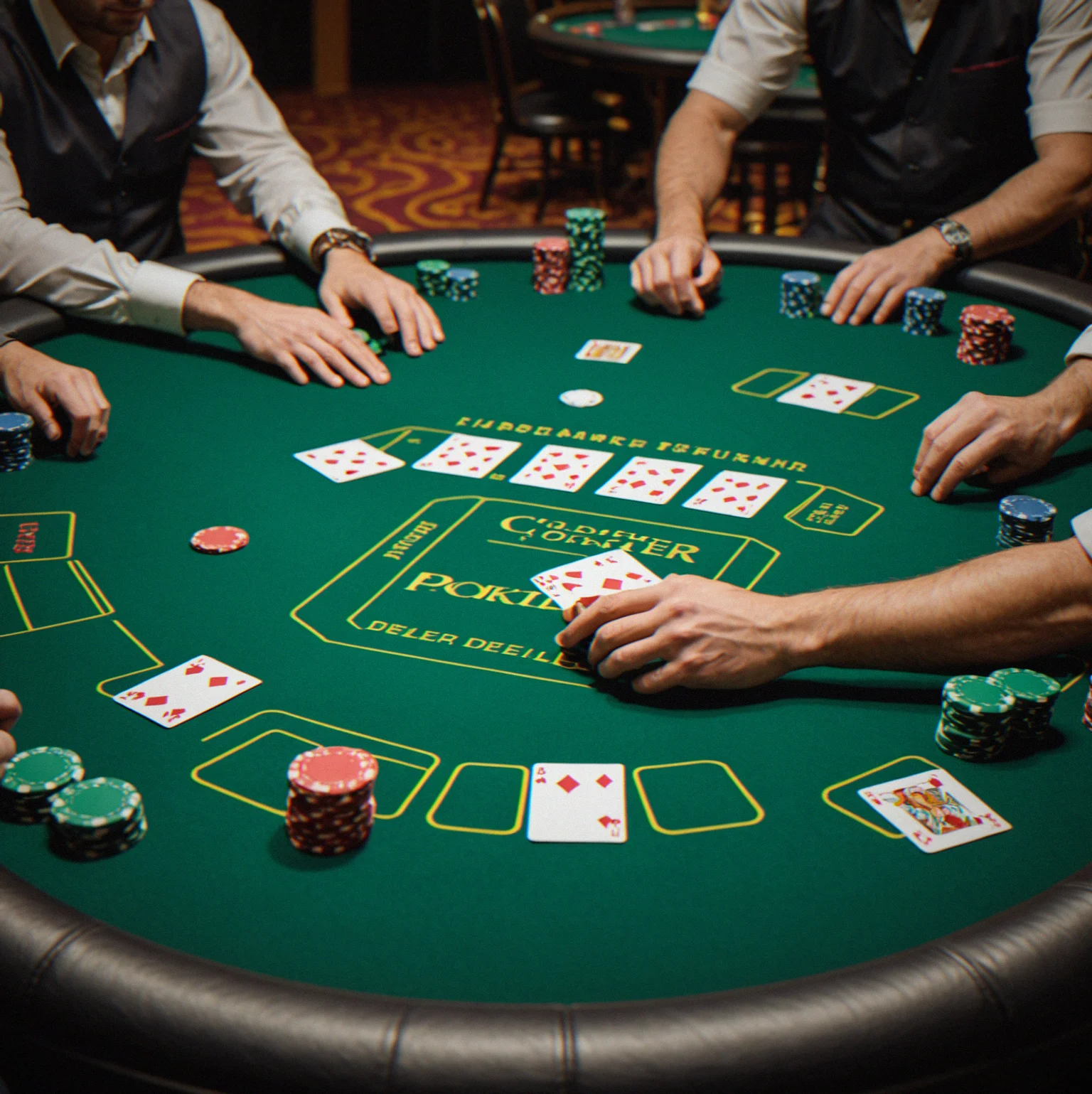
Corporate event space with two professional gaming tables set for a multi-table tournament, players seated around them, card shoes positioned at each dealer spot, professional lighting from above

Multi-table tournament running live. Two tables at 39 inches each. Everything in order.

Rental vs. Buy: The Math and the Reality

Renting works if you're doing one or two events a year. The buy-in is usually fifty to two hundred bucks per person, so your chip costs aren't crazy but storing a full professional setup—tables, chips, felt, all of it—takes up space and money most people don't have. A decent clay chip set with denominations from one dollar to a thousand runs two to five hundred. Professional tables are three to eight grand new. Felt replacement costs a couple hundred when it wears out or gets stained, which happens faster than you'd think if you're running twenty-plus hours of play monthly. Rental pricing is straightforward. One table plus a full chip set runs six hundred to fifteen hundred per day depending on where you are and which rental company you use. Delivery and setup are usually included—that's the hour or two where someone levels the table, counts chips twice, brushes the felt, and runs a test hand with your dealer. After about a dozen events, rental starts feeling pricey next to buying. Though honestly most people who buy end up renting anyway because storing equipment and maintaining it turns into a pain. Buy if you're hosting monthly events or running an ongoing corporate gaming lounge with permanent table space and clear local compliance. Buy if you've already checked your local gaming regs and know you're good. Otherwise rent. No storage headaches, no equipment sitting around between uses, and the rental company handles liability stuff that would otherwise be on you.

How to Know If Equipment Is Actually Professional Grade

Stack of clay composite poker chips in various denominations ($1, $5, $25, $100) displaying precise weight and stacking integrity without sliding

Cheap chips slide when you stack them. Real clay composite chips weigh somewhere between 8.5 and 10 grams and stack tight—no wobble, nothing shifting mid-game. That heft is what makes them feel solid in your hand. It's also why guests take the whole thing seriously because the equipment actually feels expensive. If you've ever held casino chips, you know the difference the moment you touch them. Ceramic blends are lighter, cheaper, and your players will clock that within the first 20 minutes.

What actually separates a professional table from something a party rental place sends over? Start With dimensions—they come in 36, 39 or 42 inches depending on how many people you're seating. A 39-inch Table is what tournaments use for 8 players and it works for most corporate stuff too. But the felt matters just as much. Speed cloth plays faster, slower cloth gives Players more control over their cards. Before anyone sits down the felt should be brushed, it needs replacing every couple dozen hours of heavy use, and wrinkles are a no-go (worn spots are fine, wrinkles aren't—that distinction actually matters).

And if you're running legitimate tournaments, the setup logistics are just as important as the chips themselves. A full installation runs about 1 to 2 hours: table leveling, chip counting (twice), felt inspection, lighting adjustment, dealer positioning, one test hand. Most rental operators handle all of it. Some operators skip pieces of this—ask what's included before you book. Looking like you know what you're doing versus looking like you're making it up as you go comes down entirely to that setup window.
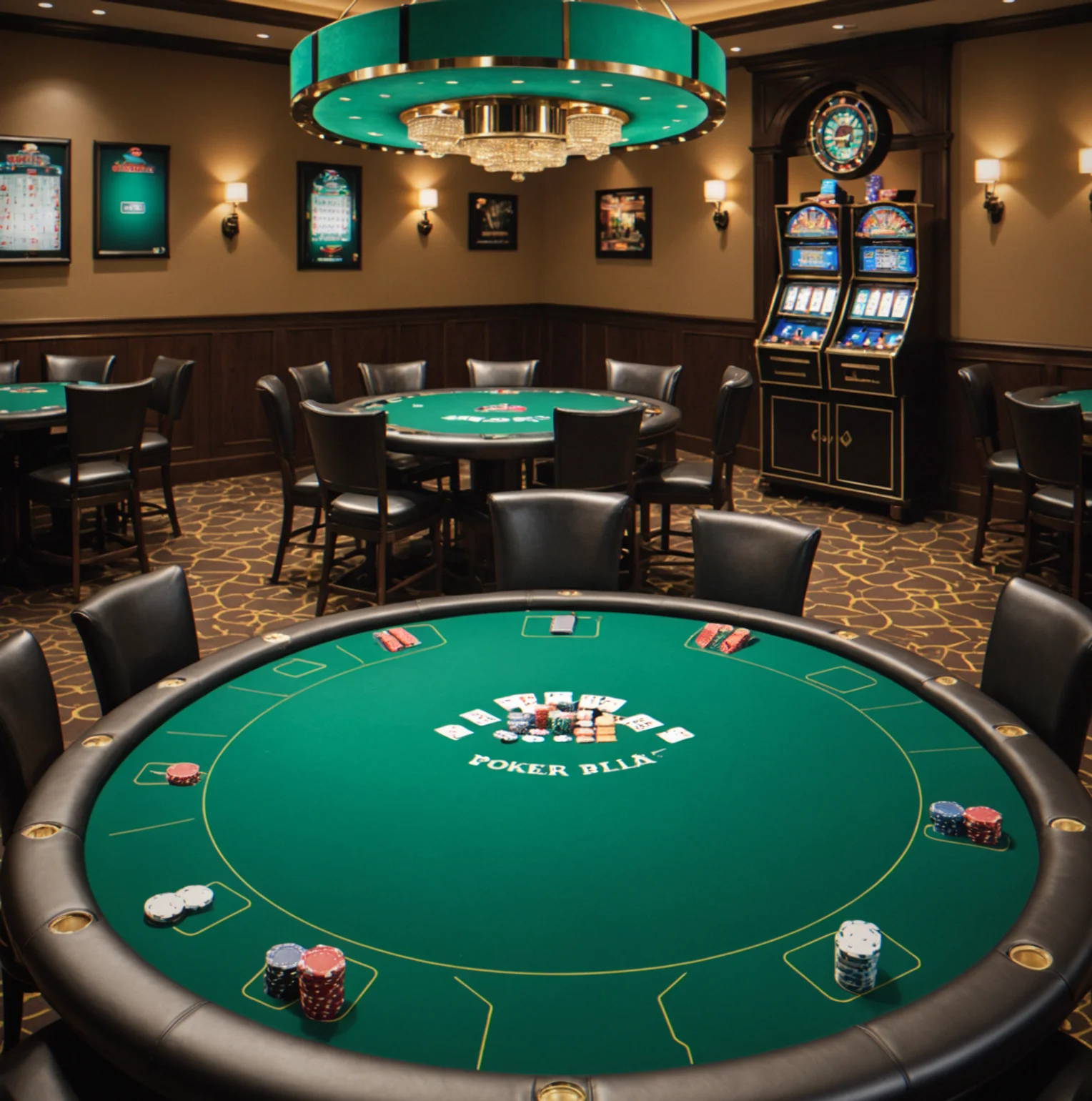
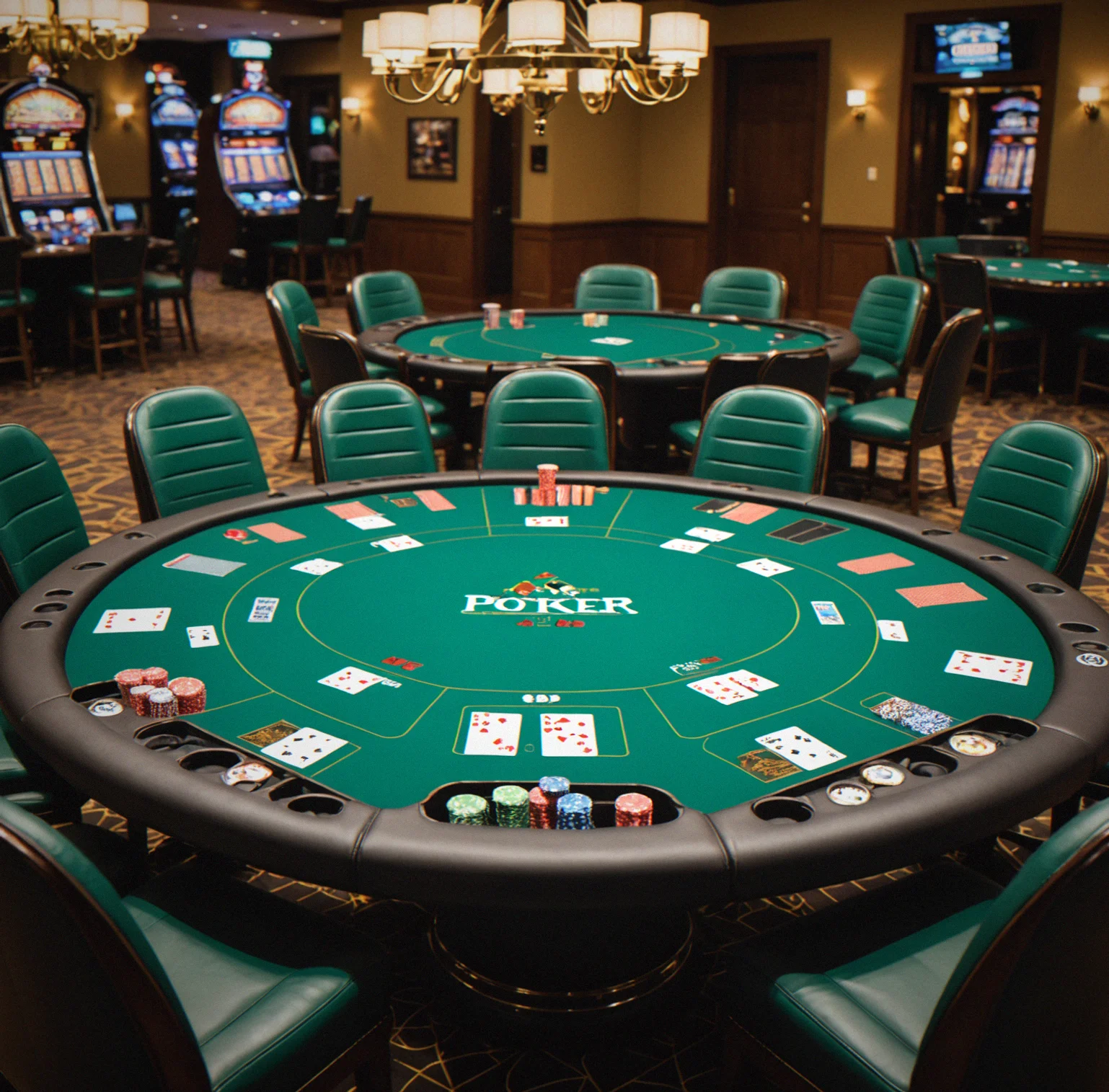
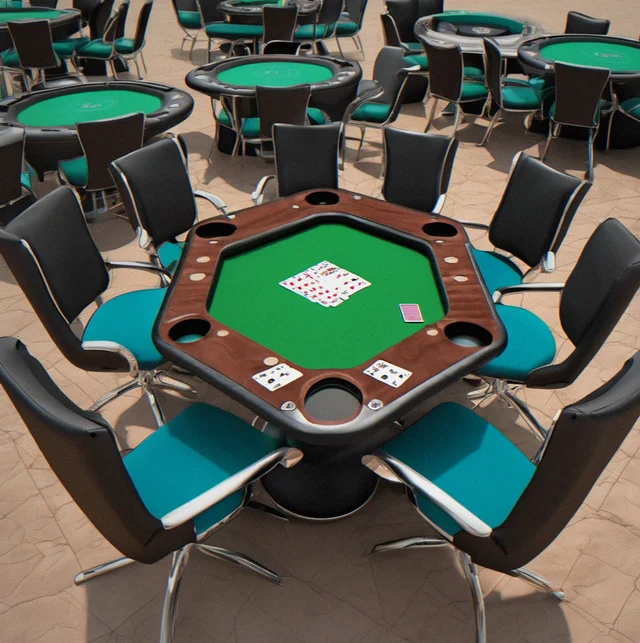
Professional 39-inch poker table with green felt surface, cup holders, and dealer position setup ready for tournament play

Clay Composite Construction

Chips that weigh 8.5 to 10 grams and stack without sliding. You get standard denominations from $1 all the way up to $10,000. No ceramic blends or molded plastic—just real weight, real feel, and real durability across 20 to 30 hours of play.

Tournament-Standard Dimensions

Tables come in 36, 39 and 42-inch widths so you can match your player count and venue space. Professional felt with a choice between speed cloth or slower weave. The rental includes leveling, lighting adjustment, and dealer station setup.

Complete Setup and Compliance Support

Rental operators handle delivery, table calibration, chip inventory verification, and can walk you through local gaming regulations. They answer liability insurance questions upfront. That's the difference between a real rental company and a party supply outfit.
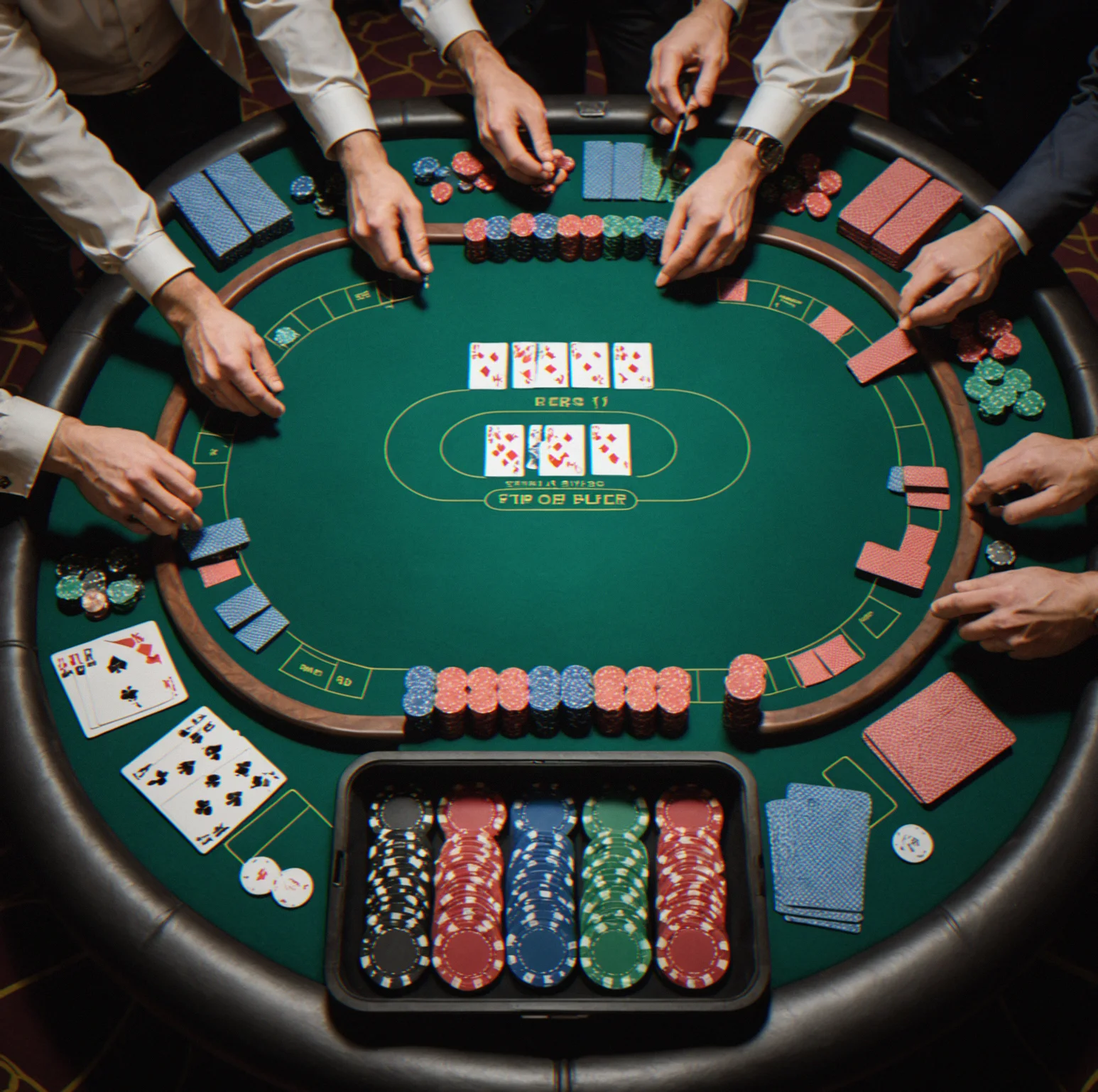

Complete rental setup showing chip trays, card shoe, cut cards, and felt brush arranged in organized dealer station
Poker table set up with tournament felt and cup holders ready to go

Poker table set up with tournament felt and cup holders ready to go

Poker table set up with tournament felt and cup holders ready to go

Poker table set up with tournament felt and cup holders ready to go

Poker table set up with tournament felt and cup holders ready to go

Poker table set up with tournament felt and cup holders ready to go

Poker table set up with tournament felt and cup holders ready to go

Poker table set up with tournament felt and cup holders ready to go

Poker table set up with tournament felt and cup holders ready to go

Poker table set up with tournament felt and cup holders ready to go

Poker table set up with tournament felt and cup holders ready to go

Poker table set up with tournament felt and cup holders ready to go

Poker table set up with tournament felt and cup holders ready to go

Poker table set up with tournament felt and cup holders ready to go

Poker table set up with tournament felt and cup holders ready to go

Poker table set up with tournament felt and cup holders ready to go

Poker table set up with tournament felt and cup holders ready to go

Poker table set up with tournament felt and cup holders ready to go

1 / 9

COMMON QUESTIONS

Rental Details and Setup

Planning your first tournament? Most of what people actually ask about comes down to logistics, and that's what we cover here.

Professional
Grade
Equipment

  • Clay composites run somewhere between 8.5 and 10 grams and they stack cleanly without sliding around. Ceramic blendds are lighter and cheaper, but your guests will notice right away because they bounce and shift. If you're spending money to rent, just go with clay. There's really no upside to the alternative.

  • A 36-inch table maxes out around 6 players and works if you're running something intimate or space is tight. Thirty-nine inches is what tournaments use for 8 players and fits most corporate setups without drama. Forty-two inches takes 10-max but eats up a lot of floor space. Most organizers honestly overestimate how many bodies they want around one table anyway. Size it to your actual player count and venue.

  • Expect one to two hours. The crew levels everything with bubblle levels, counts your chips twice, brushes and inspects the felt, gets the lighting right, checks the dealer position, and runs a test hand to make sure it all works. Most rental companies throw this in. Some don't—ask upfront.

  • Technically sure. But your home table probably isn't level, the felt's likely wrinkled or stained, and the dealer runs into sightline and chip management issues. Professional tables exist because the game needs them to work. Renting just the chips kind of defeats the purpose.

  • It changes by place. Texas allows home poker tournaments. California's a gray zone. Nevada cracks down hard on unlicensed gaming. New York depends which county you're in. You have to check your jurisdiction before you book anything. Most rental companies know the local landscape and can point you in the right direction, but you're the one responsible for confirming. Liability insurance requirements usually come into play here too and that's not optional if you're taking entry fees or running cash games.

Get a Quote

Professional poker table setup with organized chip stacks and dealer position ready for tournament play
We make sure everything's legal where you are.
Bringing it in and taking it out? That's on us.
Real clay chips, real tables, nothing cheap about it.
You'll hear back from us within a day.
Pricing is straightforward. No hidden stuff.
We'll walk you through the liability side of things right away.

We'll come back with a quote and let you know when we can set everything up.